
How Can Home Safety Changes Make Home Health Care Services More Effective for Patients?

Receiving care at home can help patients remain comfortable in a familiar environment while getting the support they need. However, the home itself can sometimes create challenges for safe and effective care. Loose rugs, poor lighting, cluttered walkways, difficult bathroom access, and improperly arranged furniture may increase the risk of falls or make everyday activities harder.
Simple home safety changes can help address these concerns. When the home environment supports the patient’s needs, Home Health Care Services can become more effective and easier to deliver. A safer home can also help patients feel more confident while completing daily activities.
Why Does Home Safety Matter During Home-Based Care?
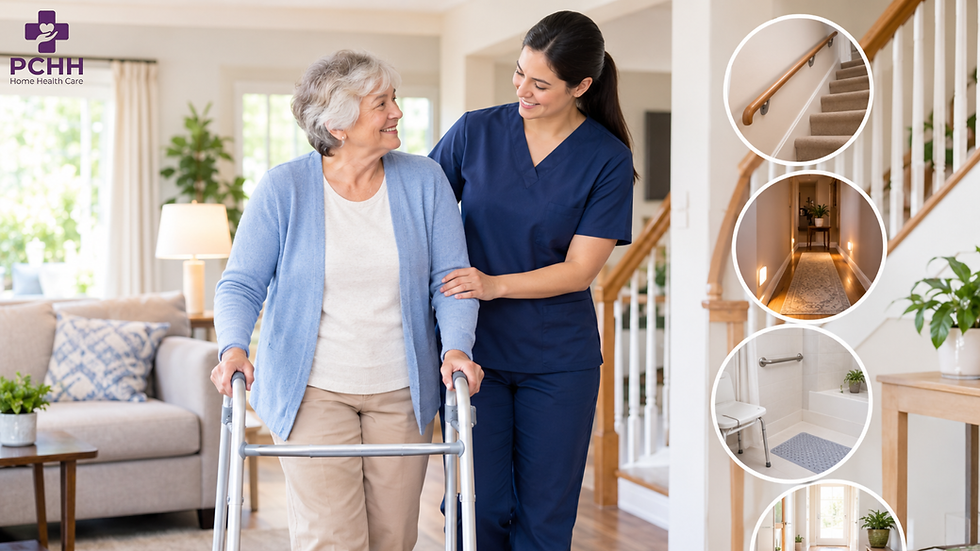
Home health care involves more than receiving professional assistance. Patients may need to move between rooms, get in and out of bed, use the bathroom, prepare meals, or manage personal routines.
If the home environment makes these activities difficult, caregivers may face additional challenges while providing support.
For example, a narrow pathway can make it difficult for a patient using a walker to move safely. Poor lighting may make it harder to see obstacles at night. A slippery bathroom floor can create unnecessary fall risks.
Making practical changes can help create an environment where patients and caregivers can work more safely together.
Which Areas of the Home May Need Attention?
Every patient’s needs are different, so safety changes should be based on the individual’s mobility, health needs, and daily routine. Several areas deserve particular attention.
1. Improve Lighting
Good lighting can make it easier for patients to identify steps, furniture, and other obstacles. Nightlights in hallways, bedrooms, and bathrooms may be helpful for patients who need to move around after dark.
Light switches should also be easy to reach. In some situations, motion-activated lights
can provide additional convenience.
2. Keep Walking Paths Clear
Clutter can make movement around the home more difficult. Boxes, electrical cords, small furniture, and other objects should be kept away from commonly used pathways.
Keeping frequently used routes open can make it easier for patients to walk with or without mobility equipment.
3. Reduce Bathroom Risks
Bathrooms can present several safety challenges because floors may become wet and slippery. Grab bars, nonslip surfaces, shower seating, and appropriate bathroom equipment may help make the area easier to use.
Patients and families should consider which bathroom activities are difficult and discuss suitable safety solutions with their care team.
4. Arrange Furniture Carefully
Furniture should allow enough space for safe movement. A room that is overcrowded can make it harder for patients using walkers, wheelchairs, or other mobility devices to move around.
Frequently used chairs, tables, and personal items should be positioned where patients can access them without unnecessary reaching or walking.
How Can Safety Changes Support Caregivers?
A safer environment does not only benefit patients. It can also make daily caregiving tasks more manageable.
Caregivers may need to assist with bathing, dressing, walking, transferring, or other activities. When these tasks take place in a well-arranged environment, caregivers can provide assistance more comfortably and efficiently.
For instance, removing an obstacle from beside a patient’s bed can create more space for a caregiver to assist with getting in and out of bed.
This is one reason Home Health Care Services can work better when the patient’s living environment is considered as part of the overall care plan.
Can Home Safety Changes Help Patients Stay Independent?
Yes. Safety improvements are not intended to take away a patient’s independence. In many cases, they can help patients perform appropriate activities with greater confidence.
A strategically placed handrail, improved lighting, or a reorganized kitchen may allow a patient to complete certain tasks more easily.
For example, frequently used kitchen items can be placed within comfortable reach rather than requiring the patient to bend, stretch, or climb.
The goal should be to make everyday activities safer while supporting the patient’s abilities.
How Should Families Identify Safety Problems?
Families can begin by observing how the patient moves through the home during a normal day. Look for activities that appear difficult, uncomfortable, or risky.
Questions to consider include:
Does the patient have trouble getting out of bed?
Are there objects blocking common walking paths?
Is the bathroom difficult to access safely?
Are stairs becoming challenging?
Can the patient easily reach frequently used items?
Is nighttime movement adequately lit?
Does furniture provide enough room for mobility equipment?
Families can then discuss these observations with the patient’s healthcare professionals or caregivers. Their input can help identify changes that are appropriate for the patient’s specific situation.
How Can Families Combine Safety and Personalized Care?
The most effective approach is to consider the patient’s complete daily routine rather than focusing on one area of the home.
Caregivers can observe where the patient needs assistance and where environmental barriers create difficulties. Families can then make practical changes while keeping the patient’s comfort and preferences in mind.
PCHH US understands that effective care involves both professional support and an environment that helps patients receive that support safely. A thoughtfully arranged home can make daily routines more manageable for patients, families, and caregivers.
Conclusion
Home safety changes can play an important role in making Home Health Care
Services more effective. Better lighting, clear pathways, safer bathrooms, suitable furniture arrangements, and accessible everyday items can reduce avoidable challenges and support patient independence.
Every home and patient is different, so safety improvements should be based on individual needs. By regularly reviewing the home environment and working with healthcare professionals, families can create a safer setting that supports quality care and everyday comfort.
A safer home does not replace professional care. Instead, it can provide a stronger foundation for patients and caregivers to work together successfully.


Comments